
When life changes suddenly, the fall can be devastating — especially for individuals living with serious mental illness and limited support. For those experiencing or at risk of homelessness, survival often takes precedence over everything else. That’s where Catholic Charities Community Services’ PATH (Projects for Assistance in Transition from Homelessness) program steps in — meeting people where they are and walking alongside them toward stability.
One of those individuals is Paul (name changed to protect privacy), a 55-year-old man who has experienced homelessness for the past three years in the Flagstaff area.
Life Before PATH
“It was bad before I met you,” Paul shared.
Paul’s homelessness began after the sudden loss of his partner of 25 years. Despite continuing to work, he was unable to afford rising rent costs in Flagstaff on his own. Eventually, he was forced to give up his home, personal belongings, and even his pets. While he tried to maintain employment, his disability made it impossible to sustain.
By November 2023, Paul was living in his car in forested areas surrounding Flagstaff, a region where winter temperatures regularly drop well below freezing and heavy snowfall is common. Without cell phone service, health insurance, food assistance, or reliable transportation, each day became a matter of survival.
To stay connected, Paul would drive or walk to the nearest gas station late at night to access Wi-Fi. “I would go over there around midnight until around 4 a.m. to check my email and then sleep during the day,” he said.
Meeting Paul Where He Was
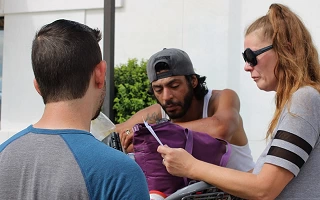
In October 2024, Sarah Annibal and Dwight Manuel, Homeless Outreach Support Specialists, first connected with Paul through the homeless outreach program.
“You guys came out to me,” Paul recalled. “I was surprised you came out.”
PATH serves individuals with serious mental illness who are experiencing or at risk of homelessness in Coconino, Yavapai, and Mohave counties. Case managers provide life-sustaining supplies, water during Northern Arizona’s intense summer heat and warm clothing and gear during Flagstaff’s harsh winter months, while also helping clients work toward long-term stability through housing and treatment connections.
For Paul, support was immediate and practical. “PATH helped cover his phone service until he could obtain a government-issued phone, allowing him to stay connected and follow up on critical appointments,” said Annibal. Case managers met with him regularly to help him:
- Apply for AHCCCS health coverage
- Enroll in SNAP food assistance
- Connect with healthcare and vocational rehabilitation
- Apply for Social Security disability benefits
- Access clothing, food boxes, and basic living supplies
- Apply for multiple housing waitlists
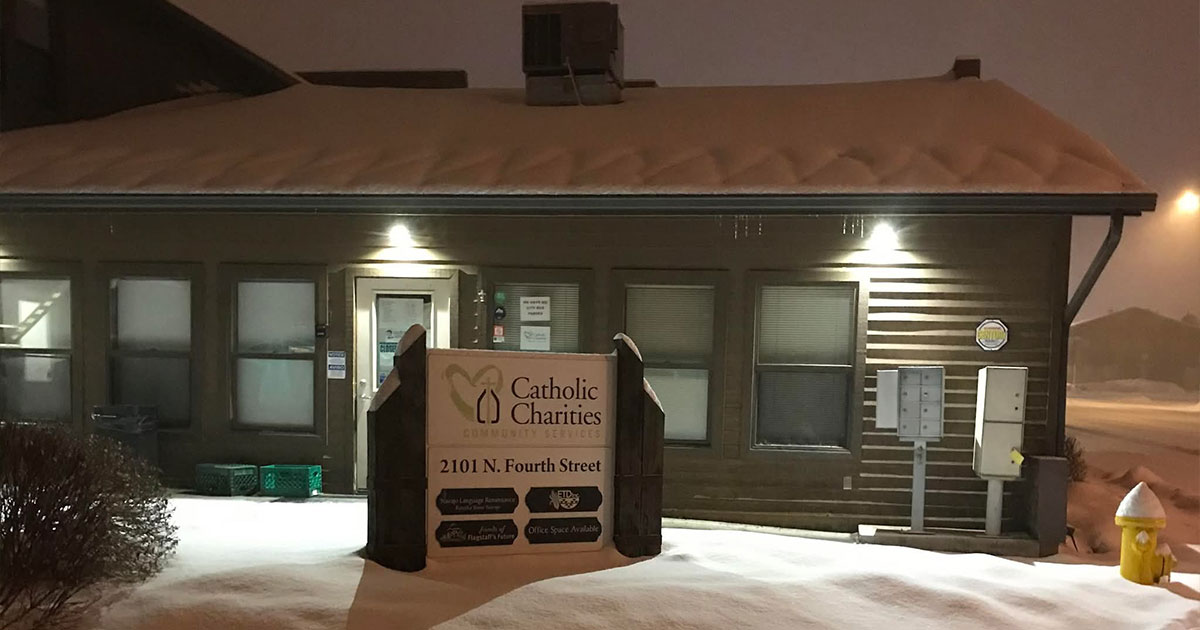
Without a permanent residence, Paul has also been able to use the Catholic Charities office address to receive important mail, a small but essential step in keeping applications and services moving forward.
Moving Forward, Step by Step
“You helped me with DES, food stamps, clothes, getting my mail, and bringing me food boxes. It’s improving, little by little.”
While Paul continues to await decisions related to disability benefits and housing availability, his situation today is markedly different. He has consistent support, access to services, and trusted relationships with PATH staff who continue to walk alongside him.
A Path Toward Stability
The PATH program recognizes that ending homelessness requires more than temporary solutions. It requires trust, consistency, and compassionate care, especially for individuals navigating mental illness in extreme and often dangerous living conditions.
By meeting clients where they are and addressing both immediate needs and long-term goals, PATH helps individuals like Paul move from crisis toward hope, one step at a time.